
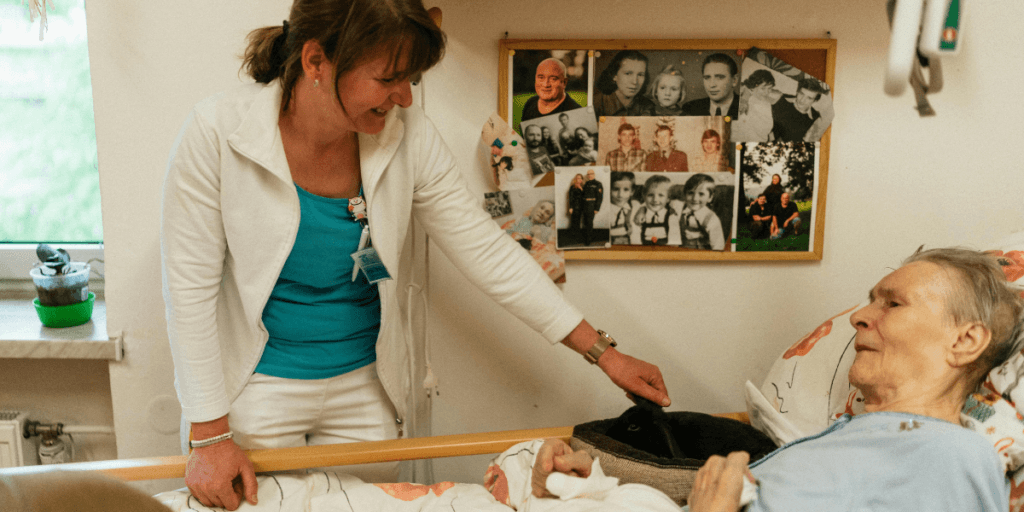
When a loved one is living with a serious or life-limiting illness, the focus often shifts from cure to comfort. During this stage, families need compassionate medical support, emotional guidance, and personalized care that helps patients maintain dignity and quality of life. Hospice care is designed to provide exactly that.
Whether delivered at home, in a hospice facility, or through specialized elder care services, hospice care ensures that patients receive comprehensive physical, emotional, psychological, and spiritual support while helping families navigate one of life’s most challenging journeys.
Understanding Hospice Care
It is a specialized form of healthcare focused on improving the quality of life for individuals facing advanced illnesses. Rather than concentrating on curative treatments, it prioritizes comfort, pain management, symptom control, emotional well-being, and family support.
The goal is not to prolong or shorten life but to help patients live as comfortably and meaningfully as possible while respecting their wishes and personal choices.
It typically involves a multidisciplinary team that may include:
Physicians
Nurses
Caregivers
Counselors
Physiotherapists
Social workers
Spiritual care providers
Together, these professionals create a personalized care plan that addresses the patient’s unique physical, emotional, and social needs.
4 Essential Ways Hospice Care Improves Quality of Life
1. Effective Pain and Symptom Management
One of the primary benefits of hospice care is expert management of pain and distressing symptoms.
Patients with advanced illnesses often experience:
Chronic pain
Difficulty breathing
Fatigue Nausea and vomiting
Anxiety Loss of appetite
Sleep disturbances
Hospice professionals use evidence-based approaches to manage these symptoms and improve daily comfort. By continuously monitoring the patient’s condition and adjusting care plans when necessary, the team helps reduce suffering and enhance overall well-being.
Pain relief allows patients to:
Rest more comfortably
Participate in family activities
Maintain independence longer
Experience greater emotional peace
When symptoms are effectively controlled, patients can focus on spending meaningful time with loved ones rather than coping with discomfort.
2. Emotional and Psychological Support
Serious illnesses can affect mental and emotional health as much as physical health.
Patients may experience:
Fear of the future
Anxiety about treatment decisions
Depression Feelings of isolation
Emotional distress
Family members often face:
Caregiver burnout
Stress Grief
Decision-making challenges
It includes counseling and emotional support services that help patients and families cope with these complex feelings.
Professional counselors and care teams provide:
Individual counseling
Family discussions
Emotional reassurance
Stress management strategies
Grief support
This holistic approach ensures that emotional needs receive the same level of attention as physical symptoms.
3. Family and Caregiver Guidance
Family members play an essential role in caring for loved ones with serious illnesses. However, caregiving responsibilities can become physically and emotionally overwhelming without proper support.
Hospice care helps families by providing:
Care Education
Families learn how to:
Assist with daily activities
Administer medications safely
Monitor symptoms
Respond to emergencies
Provide comfort and reassurance
Care Coordination
Hospice teams coordinate medical appointments, treatment plans, equipment needs, and communication among healthcare providers, reducing stress for family members.
Respite Support
Temporary caregiving assistance allows family caregivers to rest, attend personal obligations, and maintain their own health.
Bereavement Support
Hospice care often extends support beyond the patient’s passing, helping families process grief and adjust to life changes through counseling and support services.
This guidance empowers families to provide better care while protecting their own emotional well-being.
4. Preserving Dignity, Comfort, and Personal Choice
Every individual deserves to be treated with respect, compassion, and dignity throughout every stage of life.
Hospice care emphasizes patient-centered decision-making by respecting:
Personal preferences
Cultural values Religious beliefs
Family involvement
End-of-life wishes
Care plans are customized according to what matters most to the patient.
Examples may include:
Remaining at home
Spending time with family
Participating in favorite activities
Maintaining independence whenever possible
Receiving spiritual support
By honoring these preferences, hospice care helps individuals experience greater peace, comfort, and control during difficult circumstances.
Hospice Care vs. Palliative Care: What’s the Difference?
Many people use the terms hospice care and palliative care interchangeably, but they are not the same.
| Feature | Hospice Care | Palliative Care |
|---|---|---|
| Primary Goal | Comfort and quality of life | Symptom management and quality of life |
| Stage of Illness | Advanced or terminal illness | Any stage of serious illness |
| Curative Treatment | Usually discontinued | May continue alongside treatment |
| Care Focus | End-of-life support | Managing symptoms during treatment |
| Family Support | Extensive | Available but varies |
Palliative Care
Palliative care can begin immediately after diagnosis of a serious illness and may be provided alongside curative treatments.
Hospice Care
It is generally recommended when treatment goals shift toward comfort, symptom management, and quality of life rather than cure.
Both approaches prioritize compassionate care and patient comfort.
Who Can Benefit from Hospice Care?
It may be appropriate for individuals living with:
Advanced Cancer
Patients experiencing progressive cancer symptoms often benefit from specialized pain management and emotional support.
Dementia and Alzheimer’s Disease
As cognitive decline advances, hospice services can improve comfort, safety, and quality of life.
Parkinson’s Disease
Advanced Parkinson’s disease can create significant physical and emotional challenges that hospice teams help manage.
Heart Failure
Patients with severe heart disease may experience breathlessness, fatigue, and reduced mobility that require supportive care.
Chronic Lung Disease
Conditions such as COPD may benefit from symptom management and respiratory support.
Stroke-Related Complications
Individuals recovering from severe stroke complications may require comprehensive supportive care.
Kidney or Liver Failure
Advanced organ disease often creates complex symptom management needs that hospice professionals address through personalized care plans.
Signs It May Be Time to Consider Hospice Care
Families often wonder when hospice care should begin.
Some common indicators include:
Frequent hospital admissions
Increasing pain or discomfort
Significant decline in mobility
Difficulty performing daily activities
Progressive weight loss
Increased dependence on caregivers
Advanced disease progression
Reduced response to treatment
Early hospice involvement often provides greater benefits by allowing patients and families to access support services sooner.
Hospice Care Services Include
Comprehensive hospice programs often provide:
Medical Care
Regular health assessments, symptom monitoring, medication management, and physician oversight.
Nursing Support
Skilled nursing care focused on comfort, safety, and symptom control.
Personal Care Assistance
Support with bathing, grooming, mobility, dressing, and daily living activities.
Emotional Counseling
Professional guidance for patients and family members coping with emotional challenges.
Spiritual Care
Support aligned with individual religious and cultural beliefs.
Rehabilitation Services
Physiotherapy and mobility support to maximize comfort and independence.
Bereavement Counseling
Continued emotional support for families following the loss of a loved one.
Benefits of Hospice Care at Home
Many families prefer home-based hospice care because it allows patients to remain in familiar surroundings.
Advantages include:
Greater comfort and familiarity
Increased family involvement
Personalized one-on-one care
Reduced hospital visits
Improved emotional well-being
Better quality of life
Enhanced dignity and independence
It can create a more peaceful environment where patients spend meaningful time with loved ones while receiving professional support.
Why Families Choose Professional Hospice Care Services?
Managing advanced illness requires specialized expertise, compassionate caregivers, and coordinated support.
Professional hospice providers offer:
Experienced medical teams
Individualized care plans
24/7 care coordination Family education
Emotional and spiritual support
Comprehensive symptom management
Personalized end-of-life care
This integrated approach ensures that patients receive the highest level of comfort while families receive the guidance and reassurance they need.
Frequently Asked Questions About Hospice Care
What is hospice care?
It is specialized healthcare focused on comfort, symptom management, emotional support, and quality of life for individuals with advanced illnesses.
Is hospice care only for cancer patients?
No. Hospice care supports individuals with many serious conditions, including dementia, Parkinson’s disease, heart failure, COPD, kidney disease, and other life-limiting illnesses.
Can hospice care be provided at home?
Yes. Many hospice services are delivered in the patient’s home, allowing individuals to remain in a familiar and comfortable environment.
Does hospice care include pain management?
Absolutely. Pain and symptom control are among the primary goals.
How does hospice care help families?
Hospice care provides caregiver education, emotional counseling, respite support, care coordination, and bereavement services for family members.
When should hospice care begin?
Hospice care should be considered when an individual’s illness has advanced and the focus shifts toward comfort, dignity, and quality of life.
Is hospice care the same as palliative care?
No. Palliative care can be provided at any stage of illness alongside treatment, while hospice care focuses primarily on comfort and support during advanced stages of illness.
Compassionate Hospice Care for Patients and Families
Hospice care is about much more than managing symptoms. It is about helping individuals live with dignity, comfort, and peace while supporting the people who care about them most. Through expert medical care, emotional guidance, family support, and personalized attention, hospice care enhances quality of life during one of life’s most important journeys.
If your loved one is facing a serious illness and you are exploring care options, professional hospice care can provide the compassionate support needed to ensure comfort, dignity, and meaningful moments together.